Your First Night of Stargazing: A Twenty-Minute Plan
Begin with the Moon or a bright star pattern, check cloud cover and your local sky, and choose one safe place to observe.
By KarsynOct 11, 2026
Read the field guide
A beginner’s field guide to the night sky
Clear, realistic ways to find the Moon, read bright star patterns, and make your first useful observation tonight.
Editor’s starting point
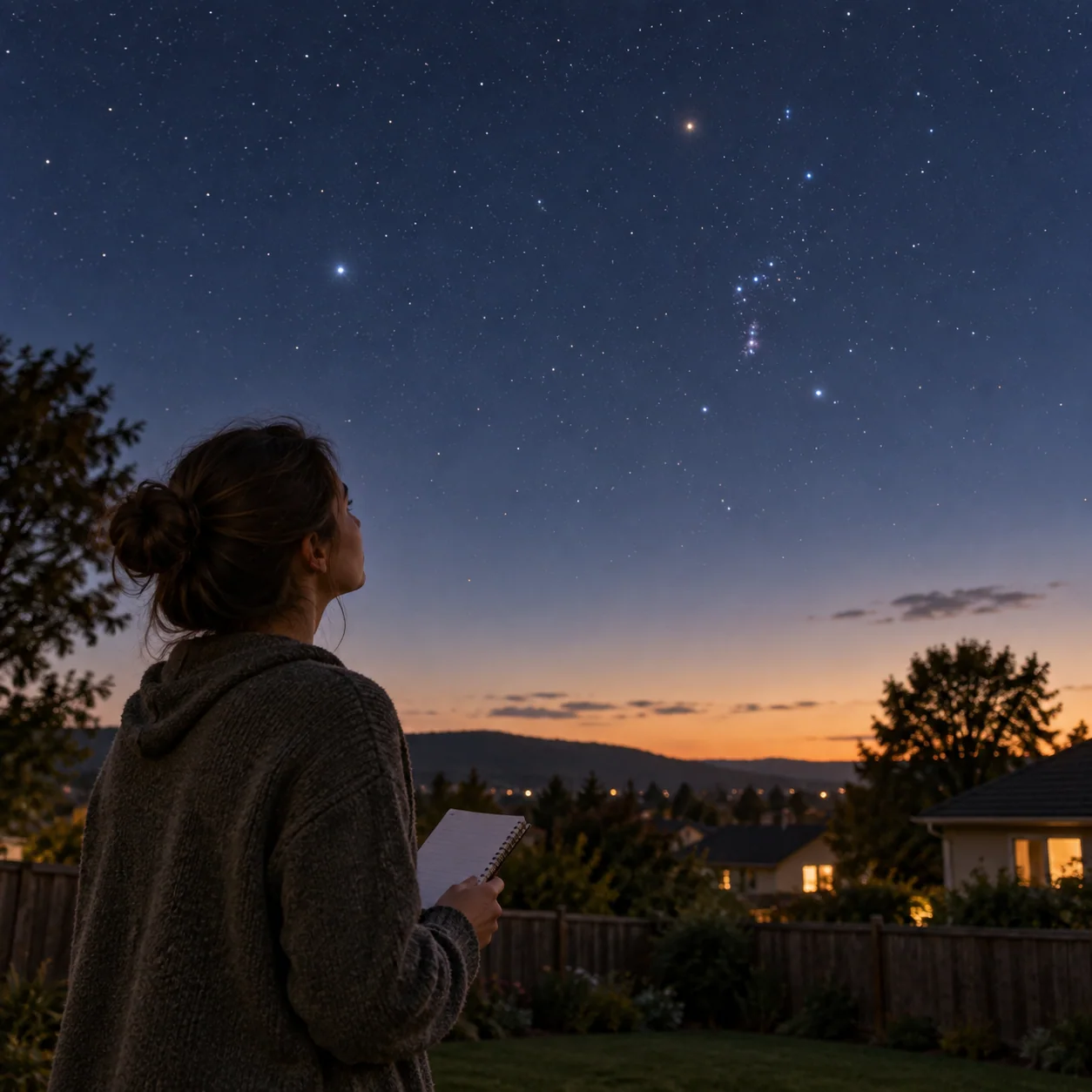
Begin with the Moon or a bright star pattern, check cloud cover and your local sky, and choose one safe place to observe.
Newly published

Earthshine is sunlight reflected from Earth onto the Moon; look for it around a slim crescent in clear twilight.
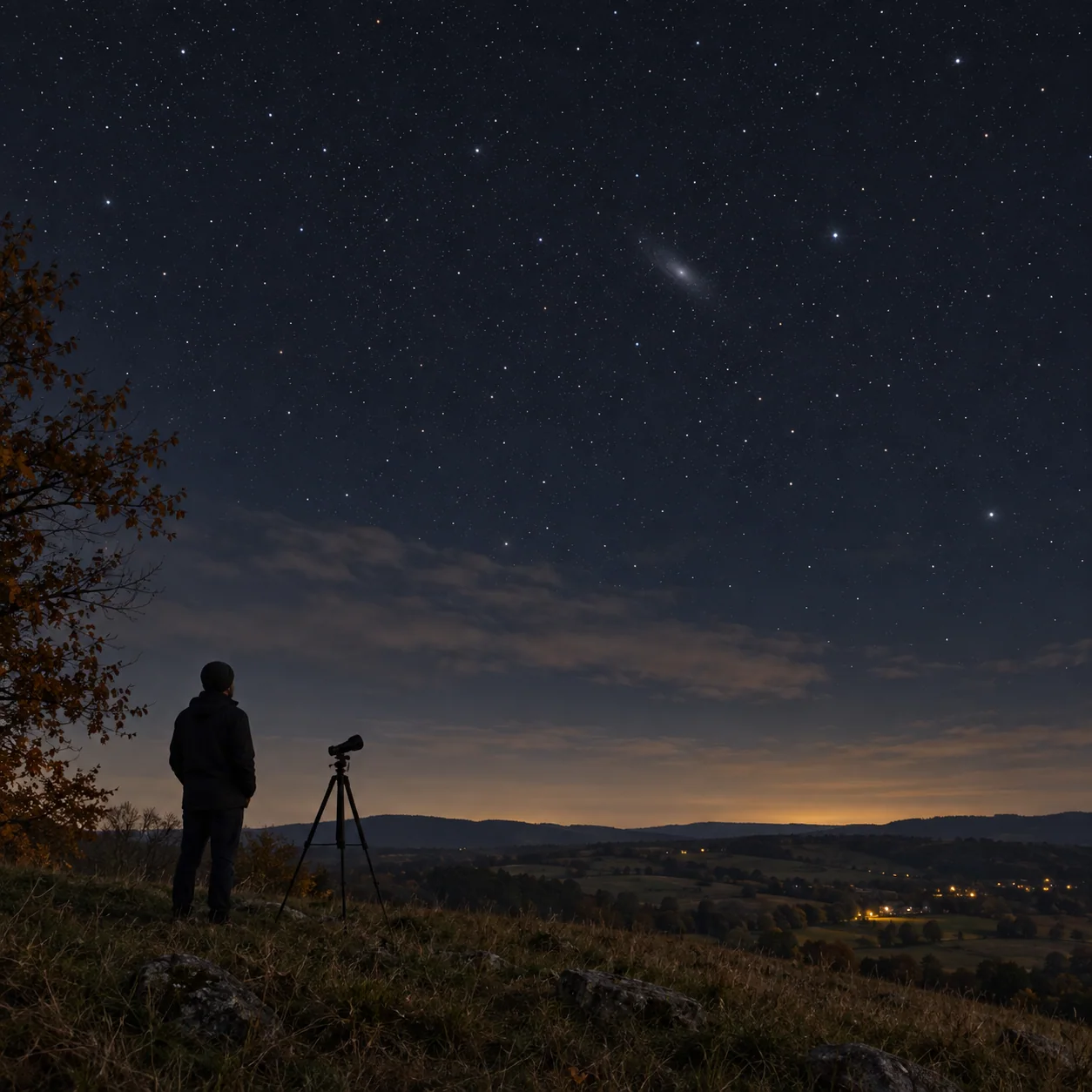
From a sufficiently dark northern sky, use a verified local chart and Cassiopeia or Pegasus as an anchor; expect a faint smudge.
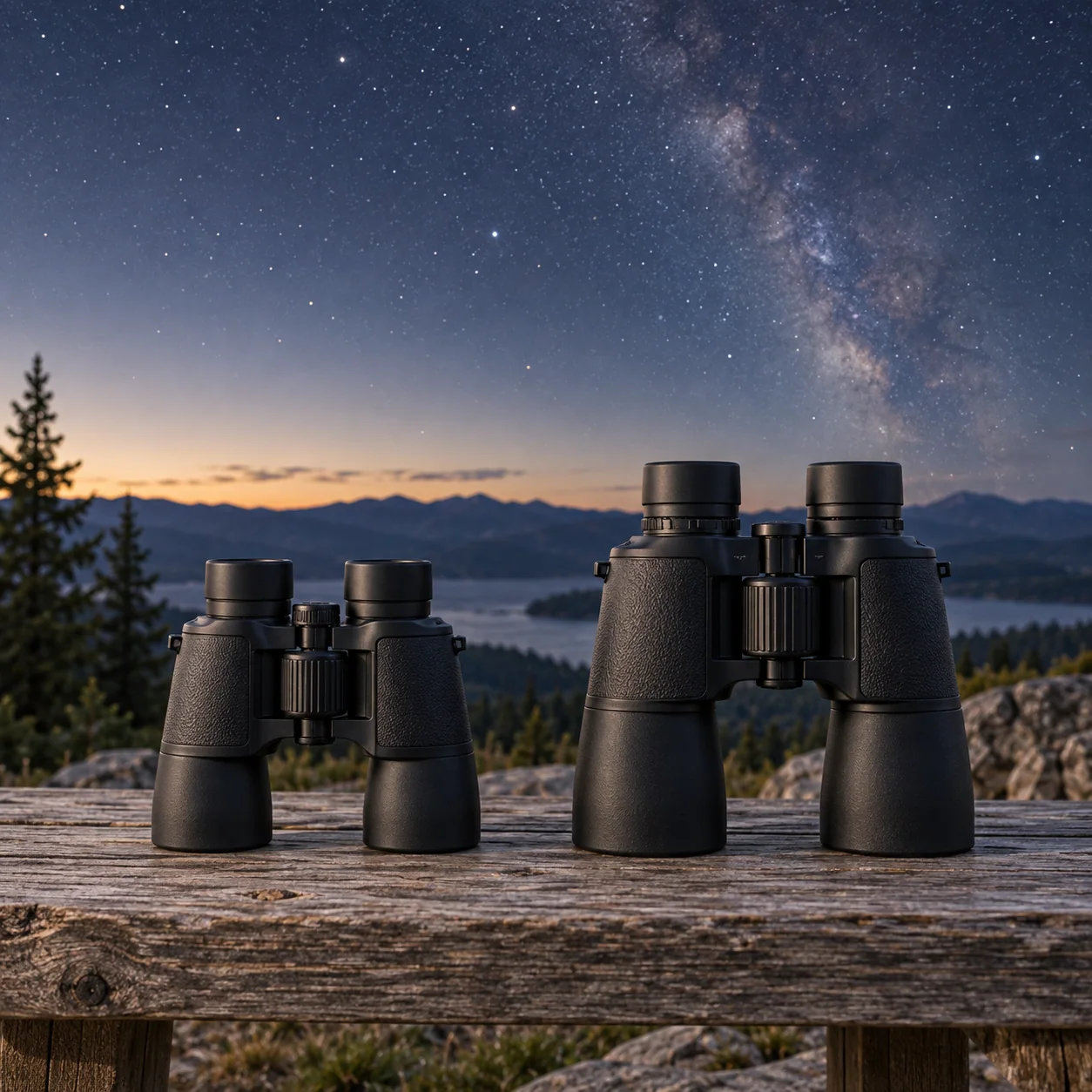
Consider steadiness, weight, field of view and comfort; magnification alone does not guarantee an easier view.
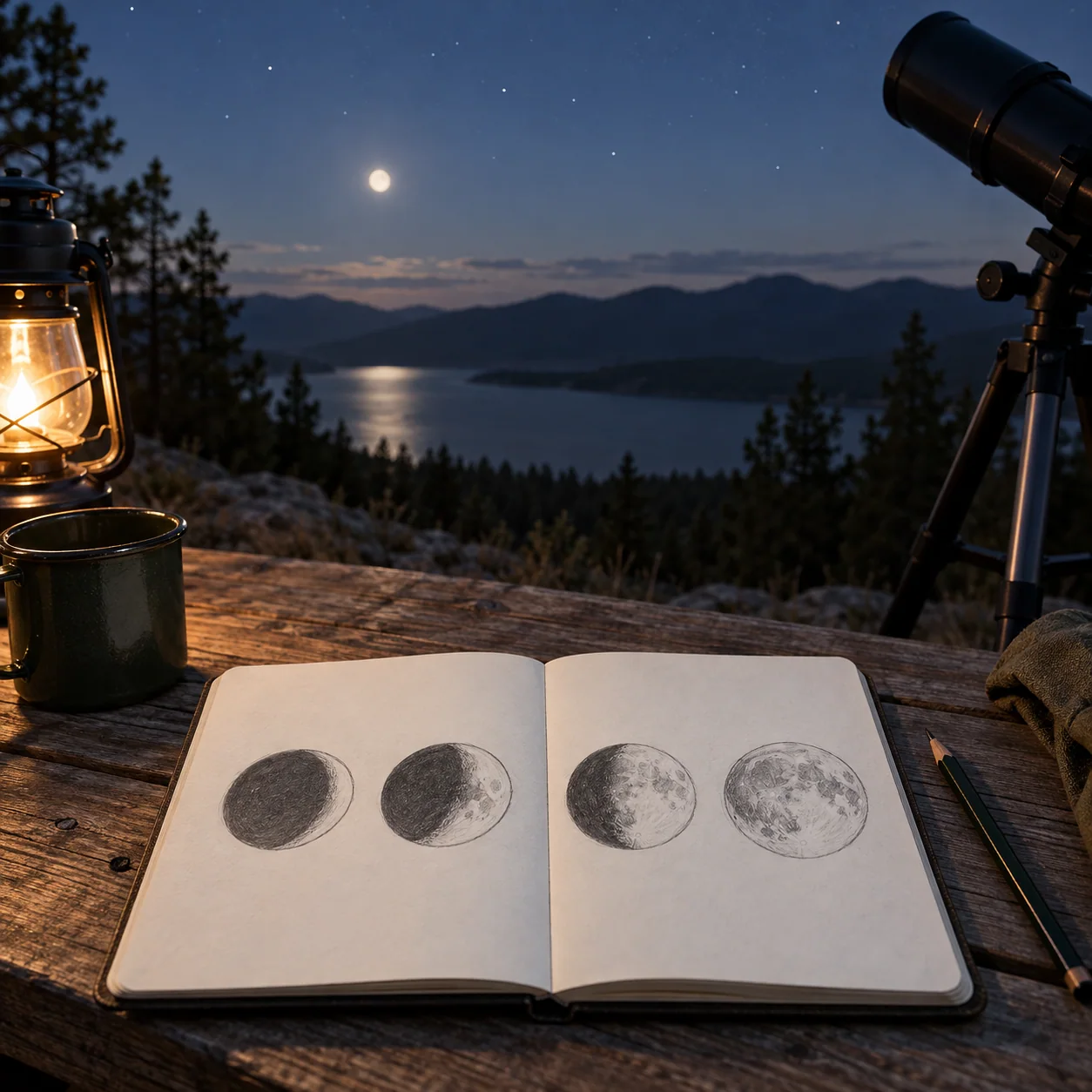
Sketch the illuminated shape and a few features on repeated nights, noting time, orientation and conditions instead of expecting identical views.
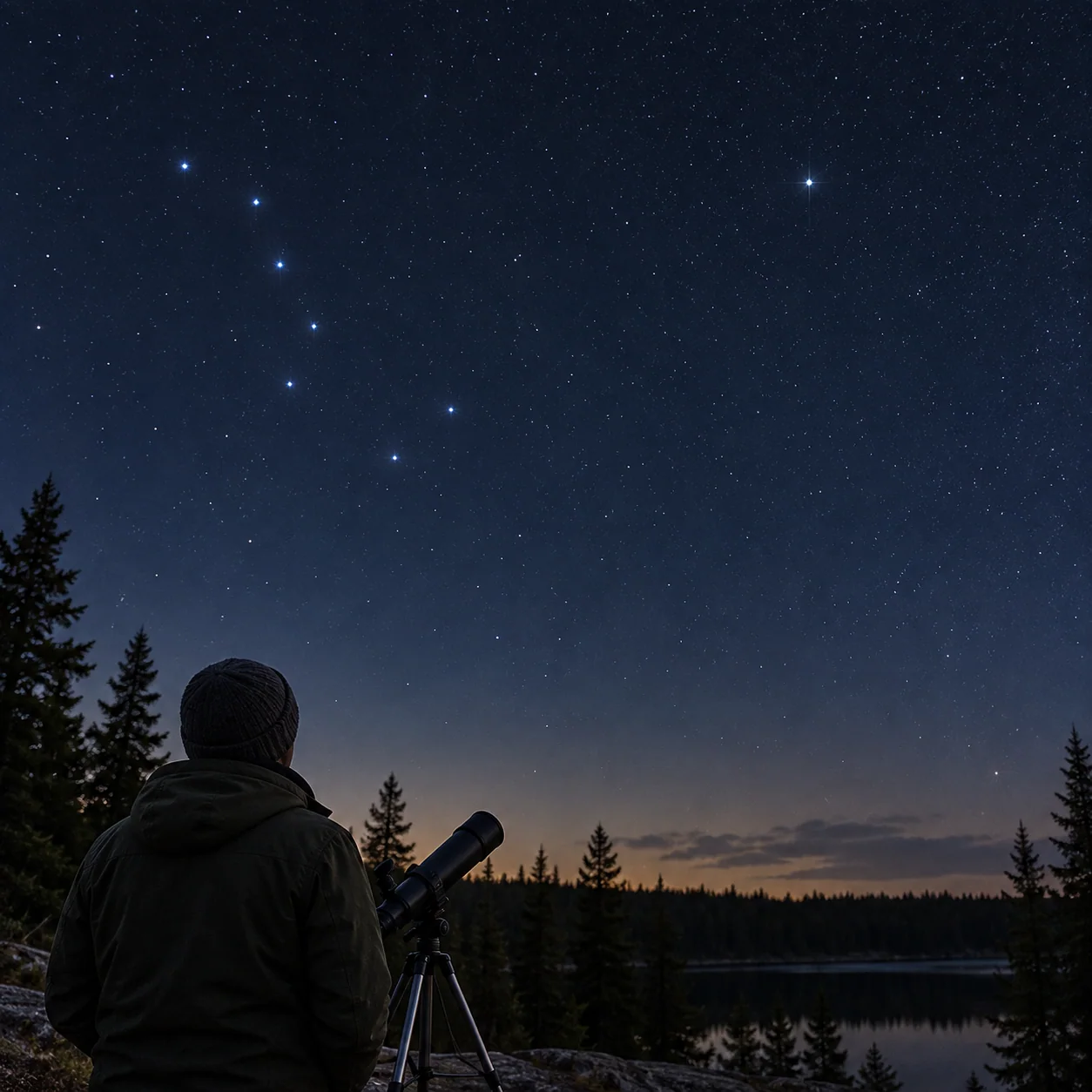
For Northern Hemisphere observers, extend a line through the outer pair of Bowl stars to the relatively steady Polaris.
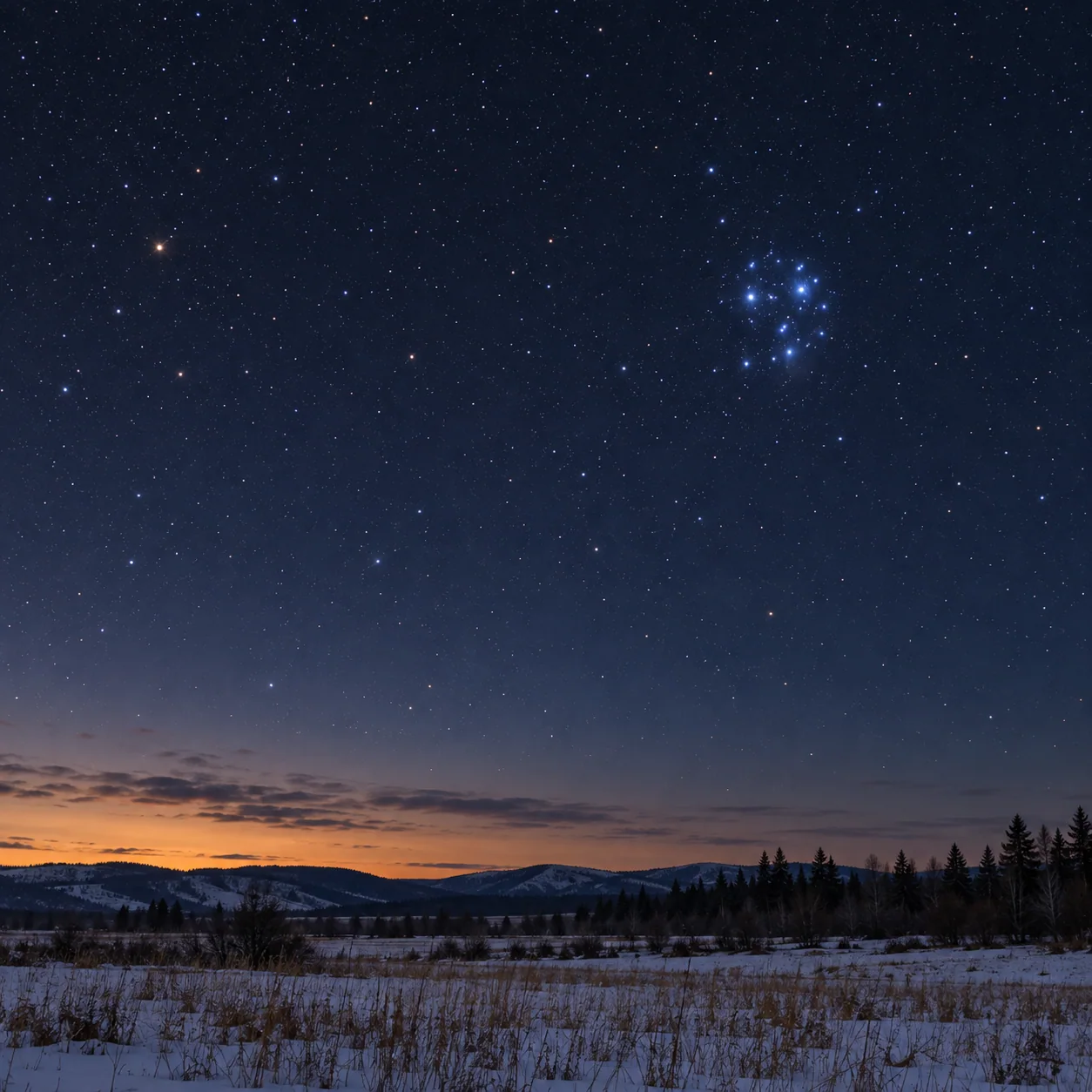
Under suitable northern autumn-to-winter skies, look for a compact cluster near Taurus; binoculars reveal more stars over a wide field.